
𝗔𝗻𝗻𝘂𝗮𝗹 𝗜𝗻𝗳𝗼𝗿𝗺𝗮𝘁𝗶𝗼𝗻 𝗦𝘁𝗮𝘁𝗲𝗺𝗲𝗻𝘁 (𝗔𝗜𝗦)
AIS offers taxpayers a detailed view of their financial transactions, including interest income, dividends, capital gains, and more. It's your gateway to understanding tax deductions, refunds, and compliance effortlessly. From PAN details to TDS/TCS information and payment records, AIS consolidates it all in one place, ensuring clarity and convenience. Stay informed about your tax obligations and financial activities with ease.
Pinky G Bhonsley
7/20/20243 min read


Annual Information Statement
Understanding the Annual Information Statement (AIS): A Comprehensive Guide
The Annual Information Statement (AIS) was introduced by the Income Tax Department of India to provide taxpayers with a comprehensive view of their financial information. AIS extends the functionality of Form 26AS, offering detailed insights into various financial transactions and sources of income. This blog will walk you through the phases of AIS introduction, its components, and how you can access this valuable information. Keywords: Annual Information Statement, AIS, Income Tax Department, Form 26AS, financial transactions.
Introduction to AIS
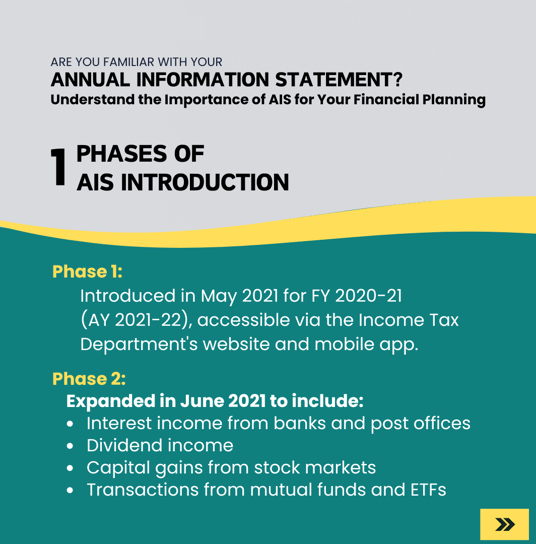
The Annual Information Statement (AIS) was launched in phases by the Income Tax Department:
Phase 1: In May 2021, AIS was first introduced for the financial year 2020-21 (Assessment Year 2021-22). It was made available on the Income Tax Department's website and mobile app.
Phase 2: From June 2021, AIS was expanded to include additional information, such as:
Interest income from banks and post offices
Dividend income
Capital gains from stock markets
Transactions from mutual funds and exchange-traded funds (ETFs)
AIS: An Extension of Form 26AS
AIS extends the details provided in Form 26AS, which traditionally displays information on property purchases, high-value investments, and TDS/TCS transactions carried out during the financial year. The expanded AIS additionally includes:
Savings account interest
Dividend income
Purchase and sale transactions of securities/immovable properties
Foreign remittances
Interest on deposits
GST turnover
Components of AIS
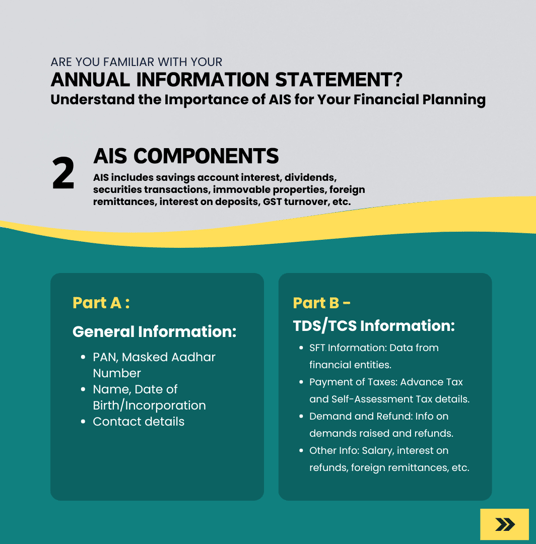
The information in AIS is divided into two parts:
Part A - General Information: This section includes:
PAN
Masked Aadhar Number
Name of the Taxpayer
Date of Birth/ Incorporation/ Formation
Mobile number
E-mail address
Address of the Taxpayer
Part B - TDS/TCS Information: This section includes:
Information related to tax deducted/collected at source
SFT Information: Details received from reporting entities under Statement of Financial Transaction (SFT)
Payment of Taxes: Details of payments such as Advance Tax and Self-Assessment Tax
Demand and Refund: Details of demand raised and refund initiated during the financial year
Other Information: Additional data such as Annexure II salary, interest on refund, outward foreign remittance/purchase of foreign currency
How to Access AIS
To access the Annual Information Statement functionality, follow these steps:
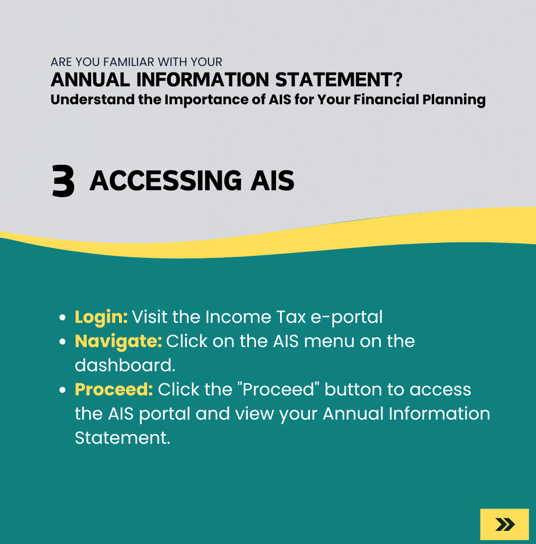
Step 1: Login to the Income Tax Department's e-portal: Income Tax e-Portal
Step 2: After logging in, click on the "Annual Information Statement (AIS)" menu on the dashboard.
Step 3: Click on the "Proceed" button, which will redirect you to the AIS portal. Click on the AIS tile to view the Annual Information Statement.
Benefits of AIS
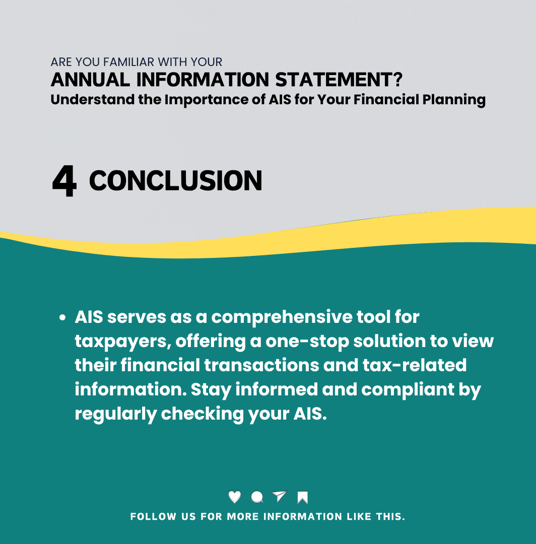
Since its introduction, AIS has become a comprehensive statement that provides a one-stop solution for taxpayers to view their financial transactions and tax-related information. The transparency and detailed information offered by AIS help taxpayers ensure accuracy and compliance in their financial reporting.
Conclusion
The Annual Information Statement (AIS) introduced by the Income Tax Department of India represents a significant step towards financial transparency and compliance. By providing a comprehensive view of a taxpayer's financial transactions, AIS helps in accurate tax reporting and planning. Ensure you regularly check your AIS to stay informed about your financial activities and tax obligations.
Stay informed, and stay compliant! Follow for more updates and insights on financial management and tax regulations.
Contacts
D No.1344, Situated at Nazarbad Mohalla, Vasanth NagaraLayout, Alanahalli, Mysore Karnataka-570028.
Get in touch
reach@sankalplc.in
+91 99012 41849